Stablecoins Explained: A Beginner's Guide to Digital Cash and Its Mechanisms

Stablecoins represent a significant evolution in the realm of digital cash, designed to mitigate the volatility that is commonly associated with cryptocurrencies. Serving as a bridge between fiat currency and digital assets, stablecoins aim to combine the advantages of cryptocurrencies, such as efficiency and security, with the stability of traditional currencies. This article will guide you through the fundamental concepts of stablecoins, detailing their functions, types, and mechanisms for maintaining price stability. Along the way, we'll examine the regulatory landscape governing these currencies and their increasing relevance in both investment and digital finance. Additionally, insights into sustainability and social impact will be discussed, showcasing how stablecoins can address critical issues in modern finance.
What Is a Stablecoin? Defining Digital Cash and Its Core Functionality
A stablecoin is a type of digital currency that aims to maintain a stable value by being pegged to traditional assets, such as fiat currencies or commodities. The primary function of stablecoins is to facilitate transactions in the digital space while minimizing price fluctuations. Unlike cryptocurrencies like Bitcoin, which can experience significant volatility, stablecoins provide a more predictable medium of exchange, making them a suitable option for everyday transactions.
Stablecoins operate through various mechanisms that ensure their value remains stable. This includes backing by fiat currencies, algorithms that adjust supply, or a combination of both. The rising popularity of stablecoins stems from their use cases across different sectors including commerce, financial services, and investment platforms.
How Do Stablecoins Differ from Other Cryptocurrencies?
Stablecoins differ primarily in their objective of maintaining price stability, unlike other cryptocurrencies that may experience drastic price changes. Traditional cryptocurrencies, such as Bitcoin and Ethereum, serve primarily as speculative assets and investment vehicles. In contrast, stablecoins are designed to act more like traditional money, enabling users to perform transactions without worrying about significant value fluctuations. This functional shift allows stablecoins to cater to users looking for volatility-free transactions and play a pivotal role in decentralized finance (DeFi) applications.
Which Types of Stablecoins Are Commonly Used Today?
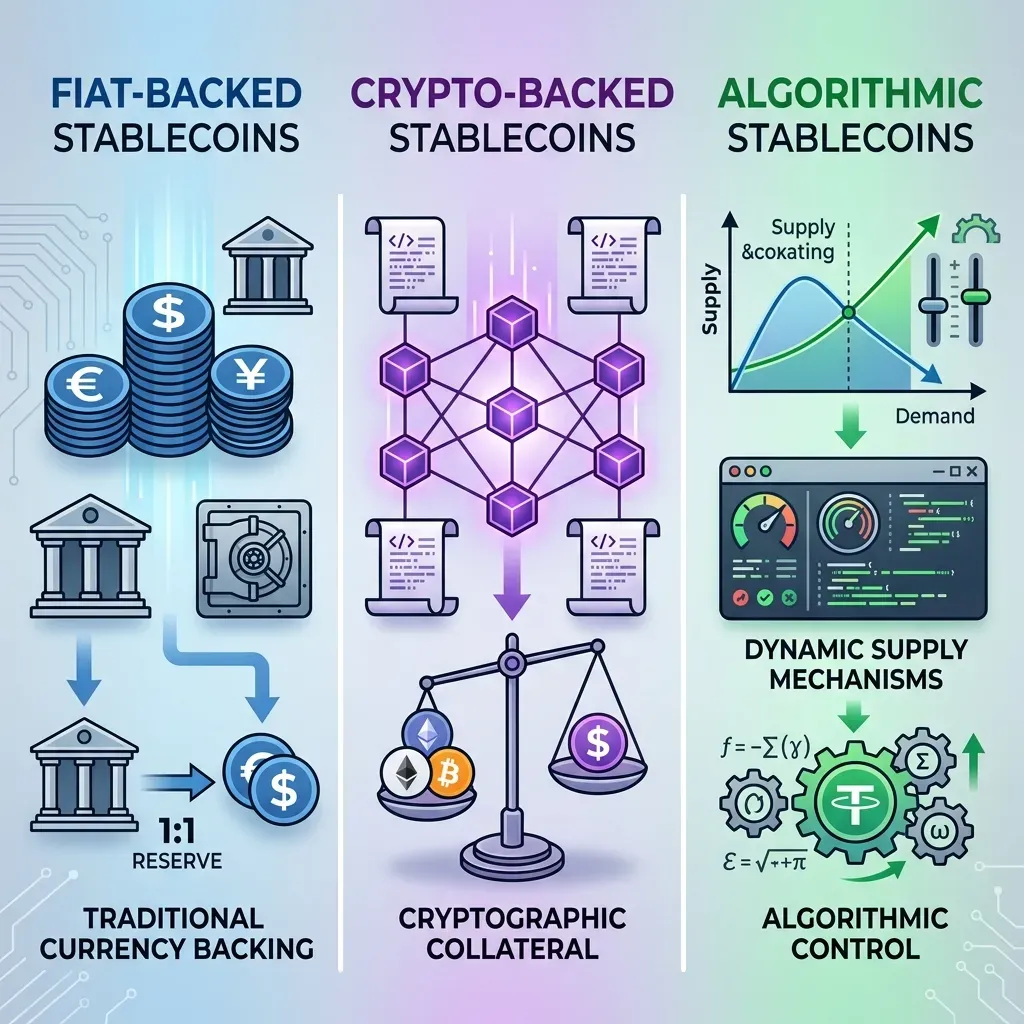
There are three main types of stablecoins commonly in use today: fiat-backed stablecoins, crypto-backed stablecoins, and algorithmic stablecoins.
- Fiat-backed stablecoins: These are pegged to a fiat currency, such as the US dollar, and its issuance is fully backed by reserves held in a bank account. Examples include USDC and Tether (USDT).
- Crypto-backed stablecoins: These stablecoins are backed by other cryptocurrencies, with collateral held in smart contracts. They are typically over-collateralized to account for market fluctuations. Examples include DAI and sUSD.
- Algorithmic stablecoins: These rely on algorithms to control the supply of the tokens, increasing or decreasing it to maintain price stability. Examples include TerraUSD (which collapsed in 2022) and Ampleforth.
By understanding the various types of stablecoins, users can better select which might serve their purposes in transactions and investments.
How Do Stablecoins Maintain Price Stability? Exploring Mechanisms and Risks
Stablecoins utilize several mechanisms to maintain their price stability, including collateralization methods and smart contracts. The effectiveness of these mechanisms varies based on the type of stablecoin and the market conditions.
What Stability Mechanisms Support Different Stablecoin Types?
Different stability mechanisms are employed to support stablecoins. Fiat-backed stablecoins rely on reserves of the pegged currency, ensuring that for every stablecoin issued, an equivalent amount of fiat is held in reserve. This direct backing provides stability, but it requires trust in the issuer's ability to maintain these reserves. Crypto-backed stablecoins use algorithms and smart contracts to adjust the supply based on market conditions, maintaining a stable value despite fluctuations in the underlying collateral. Meanwhile, algorithmic stablecoins expand and contract based on demand, with built-in mechanisms to incentivize user behavior that supports price stability.
What Are the Primary Risks Associated with Stablecoin Usage?
While stablecoins offer notable advantages, they also come with risks. Regulatory risks arise as governments seek to impose guidelines on their use, which could affect stability and acceptance. Market risks are present due to fluctuations in the value of the backing asset, especially in crypto-backed stablecoins. Technological risks could emerge from vulnerabilities within smart contracts that manage the issuance and collateralization of the coins. Understanding these risks is critical for users looking to integrate stablecoins into their financial strategies.
What Is the Current Regulatory Environment Surrounding Stablecoins?
As stablecoins become increasingly integrated into financial systems, the regulatory environment is evolving. Various authorities are beginning to implement frameworks to govern these digital assets.
Which Authorities Govern Stablecoin Compliance and Oversight?
Regulatory bodies, such as the Financial Stability Oversight Council (FSOC) in the United States, are focusing on stablecoins due to their potential impact on financial stability. The EU is also introducing regulations within its Markets in Crypto-Assets (MiCA) framework to create a harmonized legal environment for cryptocurrencies, including stablecoins. These authorities are essential in shaping compliance measures that affect how stablecoins operate.
How Are Regulatory Trends Impacting Stablecoin Adoption and Transparency?
Recent regulatory trends emphasize increased transparency and oversight, aiming to mitigate risks associated with stablecoin transactions. Emerging guidelines are likely to require stablecoin issuers to conduct regular audits and maintain comprehensive disclosure practices. These measures could foster greater trust and wider adoption while aligning stablecoin usage with conventional financial practices.
What Role Do Stablecoins Play in Investment and Digital Finance?
Stablecoins are carving out a crucial role in modern finance, particularly in the realms of investments and digital transactions. They provide a stable value that facilitates seamless movement between traditional finances and the burgeoning cryptocurrency landscape.
How Are Stablecoins Used in Payments and Digital Transactions?
Stablecoins enhance payment systems by enabling quicker and cheaper cross-border transactions. Their stable value allows businesses to accept payments in digital currencies without the fear of volatility associated with traditional cryptocurrencies. Many merchants and service providers are starting to integrate stablecoins into their payment processing systems, capitalizing on their potential for reducing transaction fees and processing times.
In addition, stablecoins can serve as liquidity pools on decentralized exchanges, allowing users to trade without needing to convert back to fiat currencies. This facilitates a smoother trading experience and helps combat the market inefficiencies traditionally associated with fiat conversions.
Why Are Investors Considering Stablecoins for Portfolio Diversification?
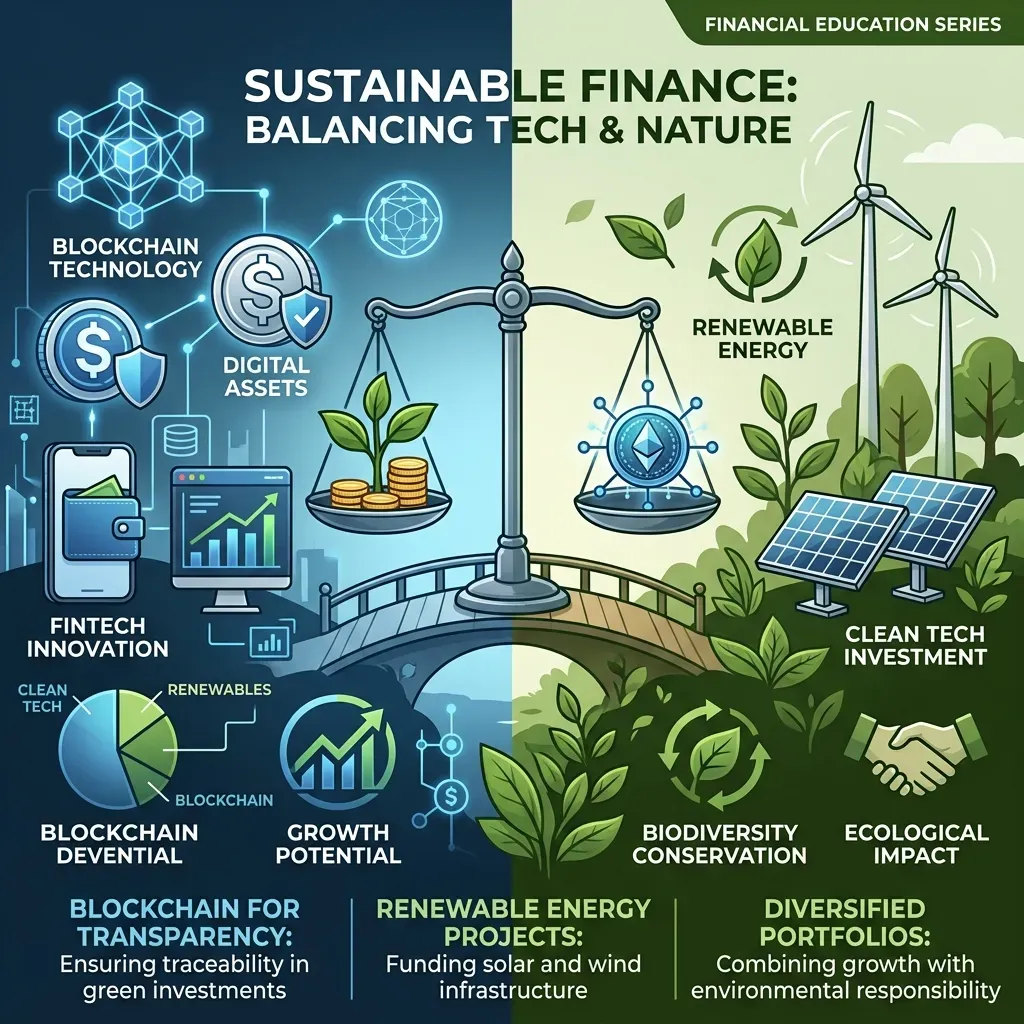
Investors are increasingly considering stablecoins as a strategy for portfolio diversification. They offer a way to mitigate volatility, provide liquidity, and maintain purchasing power during market downturns. By incorporating stablecoins, investors can access opportunities in decentralized finance (DeFi) while enjoying a degree of financial stability. This blending of investment strategies is particularly appealing in uncertain economic times.
How Do Stablecoins Affect Sustainability and Social Impact in Digital Finance?
The rapid integration of stablecoins in the financial ecosystem raises important questions about their sustainability and impact on social issues. Understanding these dynamics is crucial as the world moves towards more digital financial solutions.
What Are the Environmental Implications of Stablecoin Transactions?
Stablecoin transactions can have varied environmental impacts, especially when associated with energy-intensive tethered resources. However, many stablecoin projects are actively seeking solutions for greener practices, such as utilizing energy-efficient blockchain technologies. The focus on reducing the carbon footprint of stablecoin transactions reflects the growing awareness of environmental sustainability within the cryptocurrency industry.
How Do Platforms Assess and Promote Sustainability in Stablecoin Ecosystems?
Several platforms are prioritizing sustainability in their stablecoin frameworks. They invest in renewable energy sources for their data centers and adopt energy-efficient technologies to minimize their environmental impact. Transparency in their operations not only fosters trust but also reinforces a commitment to sustainable development within the digital finance landscape.
How Can Investors and Institutions Leverage Stablecoin Analytics for Informed Decisions?
To navigate the evolving stablecoin landscape, investors and institutions can leverage various analytical tools to make informed decisions. Understanding market dynamics through data is critical in maximizing benefits within this space.
What Tools Provide Insight into Stablecoin Market Capitalization and Transaction Volume?
Numerous analytical platforms offer insights into stablecoin performance, including market capitalization, transaction volumes, and liquidity metrics. These tools provide comprehensive data analysis that helps investors assess market trends and make informed choices regarding stablecoin investments.
How Do Structured Data and Transparency Enhance Trust in Stablecoin Products?
Structured data initiatives enhance transparency in stablecoin products, allowing users to better evaluate their risks and benefits. By providing clear data on transactions and operational practices, these enhancements build trust and promote greater adoption of stablecoins across diverse financial ecosystems.
Stability Mechanism | Type | Support Level |
|---|---|---|
Fiat-backed reserves | Fiat-backed stablecoins | High |
Collateralized assets | Crypto-backed stablecoins | Medium |
Algorithmic supply adjustment | Algorithmic stablecoins | Variable |
Getting Started with Stablecoins
Stablecoins offer a practical entry point into digital finance for those seeking stability without the volatility of traditional cryptocurrencies. Whether you're interested in using them for everyday transactions, cross-border payments, or as part of a diversified investment strategy, understanding how they work is the first step.
To learn more about how stablecoins can fit into your financial education journey, explore Conectiv's financial education programs. Our comprehensive courses cover cryptocurrency fundamentals, digital asset management, and investment strategies tailored to your experience level.
Ready to expand your financial knowledge?
[Call Wire Clarity: (770) 628-5463](tel:+17706285463)
Or visit our contact page to learn more about membership options and personalized guidance.