Best Books on Financial Education for 2026 – Top Reads for Kids, Teens & Adults

Building financial knowledge starts with the right books. Whether you are helping a child understand saving, guiding a teenager toward smart money habits, or improving your own investing skills, there are excellent resources available. This article brings together top book recommendations from credit unions, banks, educational libraries, and reader communities. All titles listed are supported by the recommendations of Clearview FCU, Security National Bank (SNB Online), the American Bankers Association (ABA), Goodreads, Amazon, and other verified sources. Use this list to choose your next read for 2026.
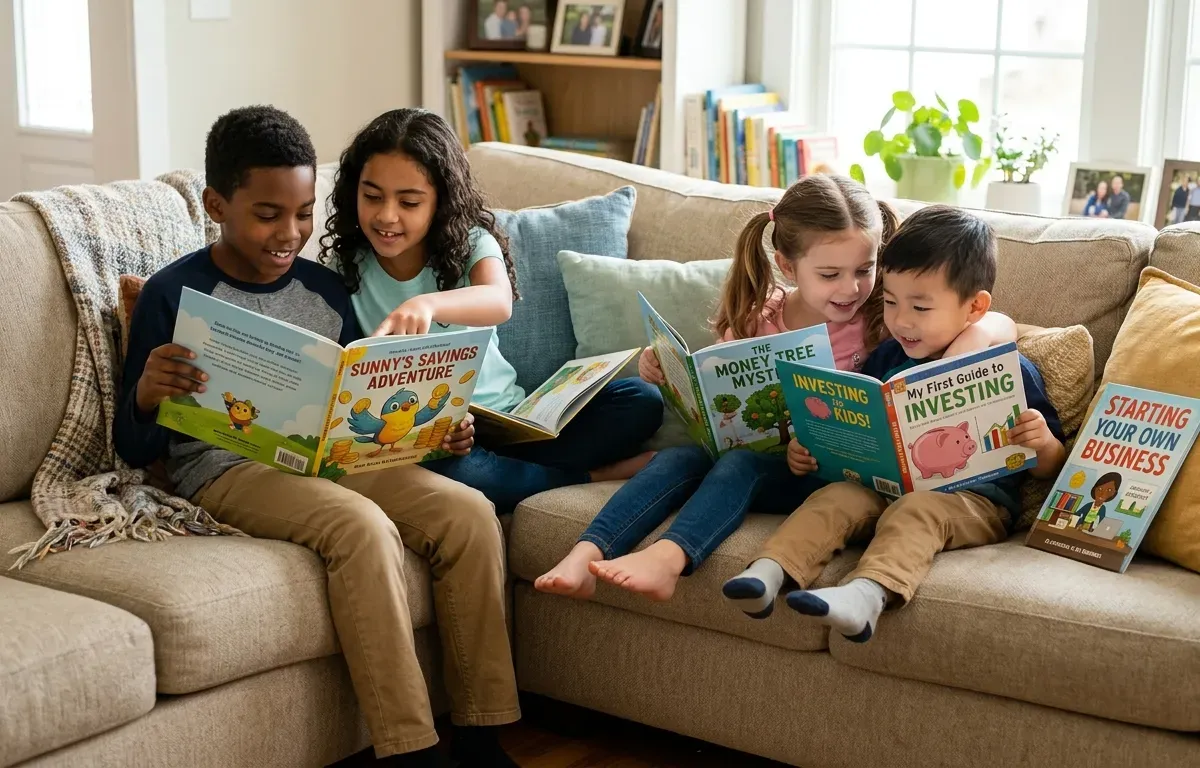
Books for Young Readers (Ages 3–12)
Teaching children about money early builds a foundation for lifelong financial health. Several institutions have curated lists of age-appropriate books. Below is a comparison of recommended titles for different age groups, with price ranges where available.
Book Title | Author / Series | Recommended Age | Price Range | Source |
|---|---|---|---|---|
Moneybunny Book Series | Cinders McLeod | Ages 3–5 | Not listed | SNB Online |
The Berenstain Bears' Dollars and Sense / Trouble with Money | Stan & Jan Berenstain | Ages 3–7 | $3–$7 each | Clearview FCU, ABA |
Financial Peace Jr. | Dave Ramsey | Ages 3–11 | Not listed | SNB Online |
Little Economists book series | Kelly Lee | Ages 3–8 | $22–$33 (vol. 1) | ABA |
Money Ninja | Mary Nhin | Grades K–2 | $10–$18 | ABA |
I Am Money | Julia Cook & Garrett Gunderson | Grades K–2 | $6–$12 | ABA |
Best Day at the Zoo | Doug Godard | Grades K–2 | $15–$25 | ABA |
Investing for Kids: How to Save, Invest and Grow Money | No author listed | Ages 8–12 | Not listed | SNB Online (Amazon #1 best-selling children's money book) |
The Berenstain Bears books are also recommended by Clearview FCU for kids. For parents looking for a structured program, Financial Peace Jr. covers ages 3 to 11, making it a versatile choice. The Moneybunny series is a gentle introduction for the youngest readers, while Investing for Kids is targeted at 8-to-12-year-olds who are ready for saving and investing concepts.
Books for Tweens and Young Adults
As children grow, their financial questions become more complex. Clearview FCU separates its recommendations into a specific list for tweens and young adults. One title they include is Money Skills for Kids, a practical guide for pre-teens and teenagers. The ABA also recommends books for grades 3–5 and 6–8, although specific titles from those grade bands are not provided in the available sources. For families seeking a bridge between children's picture books and adult personal finance, these resources help teens understand budgeting, earning, and the value of money.
Top Adult Financial Education Books
Adults have a wide range of options, from foundational personal finance to behavioral economics. The following list draws from Clearview FCU, Goodreads, Amazon Best Sellers, and WECU's ranking of money books.
The Simple Path to Wealth
J L Collins's book is recommended by Clearview FCU for adults. It focuses on simple, proven strategies for building wealth through low-cost index fund investing. This title also appears on WECU's ranking of the 49 best money books. Collins's straightforward approach makes it ideal for readers who want a clear plan without jargon.
The Psychology of Money
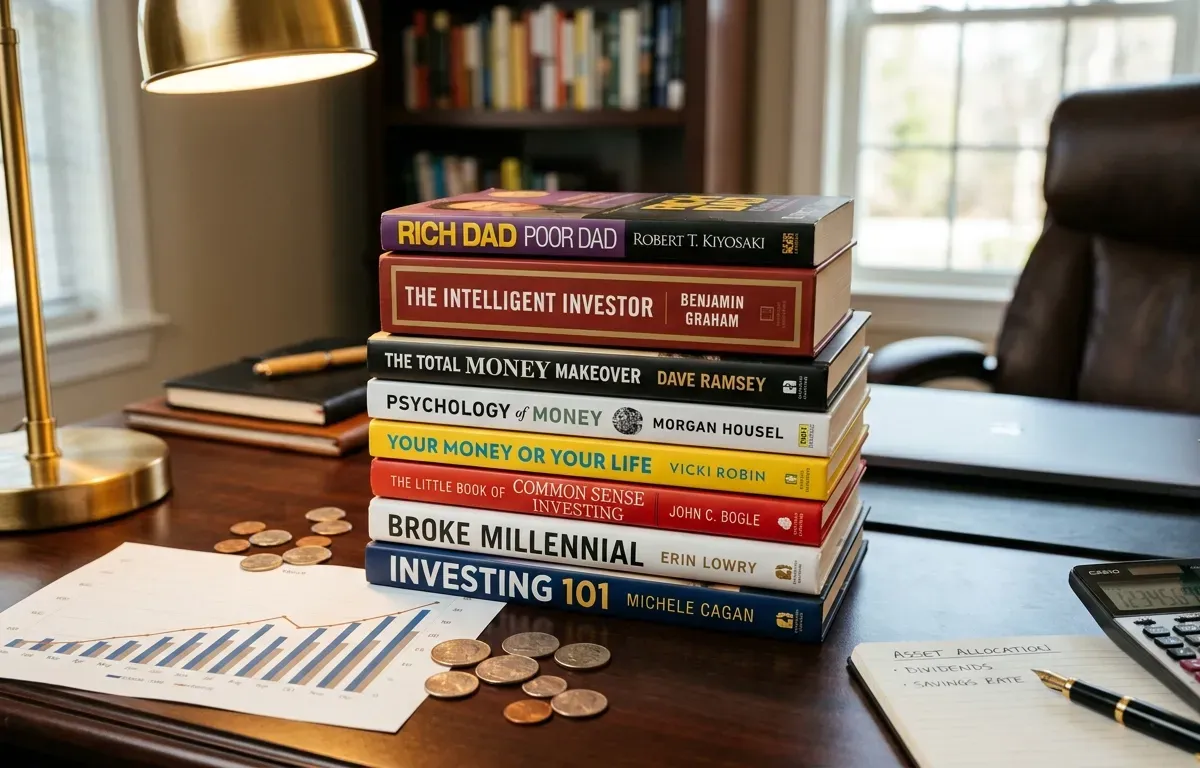
Morgan Housel's work is recommended by Clearview FCU and ranks high on Goodreads with an average rating of 4.27. It is also listed on WECU's top money books list. Rather than giving step-by-step investing instructions, the book explores the emotional and psychological side of financial decisions. It helps readers understand why people behave differently with money.
Get Good with Money
Tiffany Aliche, known as "The Budgetnista," offers a ten-step plan for achieving financial wholeness. Clearview FCU recommends this book for adults. Aliche covers debt repayment, saving, investing, and building credit in an accessible, encouraging tone.
I Will Teach You to Be Rich
Ramit Sethi's classic personal finance book is recommended by Clearview FCU. It provides a six-week program for automating finances, paying off debt, and investing. Sethi's approach is practical and designed for people who want to spend guilt-free on what they love while saving for the future.
The Algebra of Wealth
Scott Galloway's latest book is also on Clearview FCU's adult recommendation list. Galloway applies economic and behavioral principles to modern wealth building. The book addresses earning, saving, and investing in the context of today's economy.
Rich Dad Poor Dad
Robert Kiyosaki's Rich Dad Poor Dad is the most-shelved financial literacy book on Goodreads, appearing on 214 user shelves. The book contrasts the financial philosophies of two father figures and emphasizes assets, passive income, and financial independence. It remains a popular starting point for many readers.
The Richest Man in Babylon
George S. Clason's classic, published in 1926, is listed on the Goodreads financial literacy shelf. Through parables set in ancient Babylon, it teaches timeless principles of saving, investing, and wealth building. Its short length and story format make it accessible.
Die With Zero
Bill Perkins's book is an Amazon Best Seller in Finance. It challenges the idea of accumulating wealth for the sake of leaving a large inheritance, instead encouraging readers to optimize their life experiences and spending. The book has sparked conversations about purposeful financial planning.
Financial Literacy for All
John Hope Bryant's book is recommended by Santa Barbara City College Library (libguides.sbcc.edu). Bryant, a financial literacy advocate, provides a vision for improving financial education across diverse communities. The book focuses on practical knowledge for everyday financial decisions.
Atomic Habits
Although not a pure finance book, James Clear's Atomic Habits appears on WECU's ranking of the 49 best money books. Its principles of small, consistent changes apply directly to building better saving, spending, and investing habits. Many readers find it a helpful companion to traditional finance titles.
Timeless Classics and High-Rated Titles
Several books appear across multiple lists, demonstrating their lasting appeal. The Psychology of Money holds a strong 4.27 average on Goodreads. Rich Dad Poor Dad continues to be the most-shelved financial literacy title on that platform. The Richest Man in Babylon has been a staple for nearly a century. The WECU ranking includes both The Simple Path to Wealth and The Psychology of Money, confirming their status as modern essentials. For readers seeking a mix of foundational advice and behavioral insights, these titles are excellent starting points.
When choosing a book, consider your current financial knowledge and goals. Beginners may prefer The Simple Path to Wealth or I Will Teach You to Be Rich. Those interested in the psychology behind money will enjoy The Psychology of Money. Parents teaching children can rely on the age-specific picks from SNB Online and ABA reviewed above. All recommendations in this article come from reputable credit unions, banks, library guides, and reader platforms. For the most current availability and pricing, check the official sources or your local library.

Frequently Asked Questions
What is the best financial book for beginners?
Clearview FCU recommends The Simple Path to Wealth by J L Collins for adults starting their financial journey. The book explains investing and saving in plain language. For teens, Investing for Kids is Amazon's #1 best-selling children's money book, making it a solid beginner title for younger readers.
Are there books for teaching kids about money?
Yes. The Moneybunny series by Cinders McLeod is for ages 3–5. The Berenstain Bears books cover ages 3–7. Financial Peace Jr. by Dave Ramsey works for ages 3–11, and the Little Economists series by Kelly Lee is designed for ages 3–8. These are recommended by SNB Online and the American Bankers Association.
How do I choose a financial education book?
Start with your age group and current knowledge level, a process our guide to choosing the right financial education book for your goals breaks down in detail. For young children, pick picture books like those in the Moneybunny series. For tweens, Money Skills for Kids is suggested by Clearview FCU. Adults can choose a title based on their goal: foundational investing, behavioral finance, or debt elimination. Cross-check your choice with lists from credit unions or library guides.
Which financial book is most popular on Goodreads?
Rich Dad Poor Dad by Robert Kiyosaki is the most-shelved financial literacy book on Goodreads, appearing on 214 user shelves. The Psychology of Money by Morgan Housel has a higher average rating of 4.27. Both are widely read and discussed.
Are there any free ways to access these books?
Many public libraries offer print and digital copies. Library guides, such as the one from Santa Barbara City College (libguides.sbcc.edu), also list recommended titles. Some credit unions include book recommendations in their financial wellness content. Always check your local library or online catalog before purchasing.
Ready to Build Your Financial Foundation?
Reading is just the first step. Whether you're teaching your kids about money or building your own investing strategy, education paired with action creates lasting change. Conectiv's financial education programs go beyond books—offering live trading sessions, interactive courses, and community support to help you apply what you learn. Visit Conectiv to explore membership options and start your financial wellness journey today.
Questions? Contact us:
(770) 628-5463 | info@wireclarity.com